Why Your Brain Loves Building Cities (Even Fake Ones)
You told yourself you'd just play for twenty minutes. That was three hours ago. Now it's midnight, your city's population just crossed 100,000, and you're deep in a debate with yourself about whether to build a second subway line or finally fix that traffic bottleneck on Route 7. Sound familiar?
City-building games have quietly become one of the most beloved gaming genres in the United States, drawing in everyone from hardcore strategy nerds to casual players who'd never touch a first-person shooter. But what is it about virtual urban planning that hooks people so hard? We dug into the psychology behind the obsession — and the answers are pretty fascinating.
The Illusion of Control (And Why It Feels Amazing)
Let's be real: most of us don't have a ton of control over our day-to-day lives. Traffic is a mess, housing costs are through the roof, and good luck getting your city council to actually fix that pothole on your block. But fire up a city builder, and suddenly you're the mayor, the urban planner, and the infrastructure czar all rolled into one.
Psychologists call this "perceived behavioral control," and it's a massive driver of satisfaction. When we feel like our actions directly cause visible, meaningful outcomes, our brains release dopamine — the same reward chemical behind everything from social media likes to slot machines. In city games, that feedback loop is relentless. Zone a neighborhood, watch houses pop up. Build a hospital, see your citizens' health rating climb. Every click produces a result, and your brain absolutely loves that.
"There's something deeply satisfying about systems that respond to you," says one game designer who works in the simulation genre. "Real cities are slow and complicated. Virtual ones give you that same sense of impact, but compressed into something you can actually see and feel in real time."
The Builder Instinct Is Older Than You Think
Humans have been building things — and fantasizing about building better things — for thousands of years. From ancient Rome's urban grid to the rise of American suburbs in the 1950s, the desire to shape our environment is baked into who we are. City-building games tap directly into that primal urge.
There's also a uniquely American angle here. The US has a complicated, love-hate relationship with urban planning. We've seen the fallout from bad highway decisions that cut through communities, the rise and fall of public housing projects, and the ongoing sprawl debate in cities like Phoenix and Houston. For a lot of players, city builders offer a kind of sandbox fantasy — a chance to do it right this time, to build the walkable, transit-friendly, green city that real-world politics and budgets never quite allow.
That escapist quality is powerful. You're not just clicking buttons; you're playing out an idealized vision of what a city could be.
Creativity Meets Puzzle-Solving — A Rare Combo
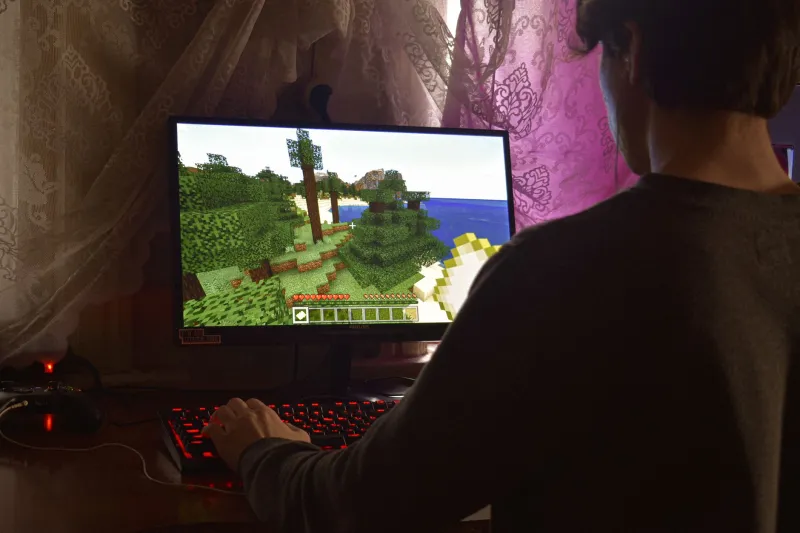
Most games lean heavily in one direction: either they're creative sandboxes (think Minecraft) or they're logic puzzles with clear right answers. City builders sit in a sweet spot between the two, and that's a big part of their appeal.
You're constantly making creative choices — where to put the park, what architectural style fits your downtown, whether your city has a coastal resort vibe or a gritty industrial core. But you're also solving real constraints. Budget limits force tough calls. Natural disasters demand quick thinking. Traffic simulations can turn into genuinely complex engineering problems.
This dual nature means city builders attract a wider personality range than almost any other genre. Creative types love the artistic freedom. Analytical players love optimizing efficiency ratings. And a surprising number of people love both, which is why these games consistently draw massive, diverse audiences.
The Slow Burn: Why Patience Pays Off Here
In an era of battle royales and instant-gratification mobile games, city builders are almost rebelliously slow. Growth takes time. Decisions you make in hour one ripple out in hour ten. That long feedback loop is actually a huge part of the appeal for a certain type of player.
Researchers who study intrinsic motivation talk about "mastery" as one of the core things humans crave. We want to get good at things. City builders deliver mastery in a way that feels earned — you genuinely understand your city better after fifty hours than you did after five. That sense of growing expertise keeps players coming back in a way that faster, more chaotic games sometimes can't sustain.
"Players form real emotional attachments to their cities," notes one longtime community manager in the simulation gaming space. "They name streets after family members. They rebuild after disasters because they care about what they've created. That's not typical of a lot of genres."
Social Comparison and the Screenshot Economy
City building has also developed a rich social layer that amplifies the psychological hooks. Reddit communities, Discord servers, and YouTube channels are packed with players sharing their cities, trading design tips, and — let's be honest — showing off a little. Humans are social creatures, and the ability to display your creation to others adds a whole extra motivation layer on top of everything else.
There's pride involved. When you've spent forty hours building a meticulously planned transit network or a gorgeous waterfront district, you want people to see it. That social validation loop reinforces the behavior and keeps players engaged long after they might otherwise move on.
So... Is It a Problem?
Not really, according to most experts. Unlike some gaming genres that can push players toward more aggressive or anxiety-inducing experiences, city builders tend to be low-stress (when the traffic AI cooperates, anyway) and genuinely creative. Many players report that they find the genre relaxing, almost meditative.
That said, the "just one more hour" pull is real and worth being aware of. The same dopamine loops that make these games satisfying can make it hard to step away. Building in natural stopping points — finishing a project, hitting a population milestone — can help you log off without feeling like you left something unfinished.
But honestly? If your brain is going to get hooked on something, there are far worse choices than designing a beautifully functional virtual city. Now go fix that traffic problem. Your citizens are counting on you.